
Brain vs. Heart: The Hidden Friction Killing Your Performance


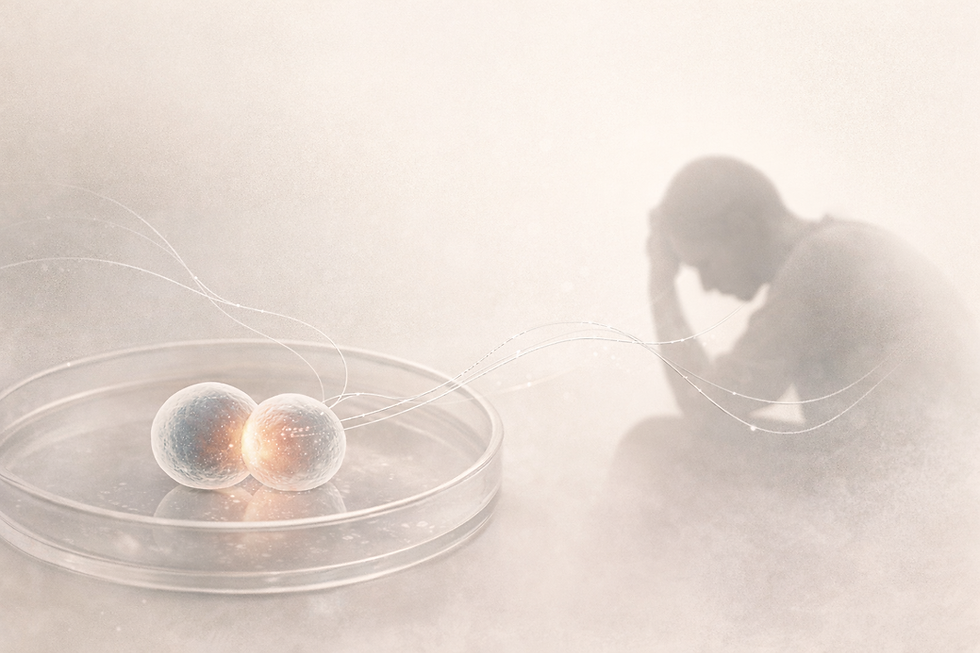
Look at the image above. One side is structured, wired, and linear. The other is organic, fluid, and messy. This visual represents the fundamental duality of the human operating system: Logic and Emotion.
Many high-performing individuals operate under a false assumption: that logic belongs in the driver's seat, and emotions are merely passengers—or worse, obstacles—that get in the way.
But the biggest obstacle to boosting our performance isn't a lack of effort or willpower. It is the internal friction caused when these two systems are at war.
The Two Systems Defined
To understand the friction, we must understand the roles:
The Brain is the architect. It handles planning, analysis, judgment, and execution.
The Inner Emotional System is the engine. It regulates safety, motivation, stress tolerance, and raw energy.
The Cost of Misalignment
When the architect and the engine aren't talking, the system fails.
Logic Overload: When the brain dominates but emotions are ignored, efficiency drops. You might appear calm to the outside world, but internally, you feel chaotic. Procrastination increases and sleep worsens because the system is running on fumes.
Emotional Overload: When emotions dominate and the brain is sidelined, you lose traction. Intentions run high, but action collapses. Stress leads to a rapid loss of control where you know exactly what to do, but simply cannot make yourself begin.
Bridging the Gap
The core struggle for many is not capability; it is the misalignment between logic and emotion.
True high performance—the kind that feels sustainable rather than exhausting—rests on three foundations:
A clear and organized cognitive system
Stable emotional energy
Seamless coordination between the two
This is the essence of my coaching work. By utilizing cognitive science and emotional regulation, we work to realign the brain’s ambitious plans with the heart’s actual capacity.
Imagine both systems finally working in sync. Faster decisions. Stronger stress tolerance. Steady energy output. This is more than just "productivity." It is the experience of an inner system moving in true alignment, where performance rises without force.


Comments